Buble Worm Backgrounds: Infusing Freshness into Your Digital Canvas
There is a specific kind of visual fatigue that sets in when you have scrolled through endless stock sites looking for a background that isn't just "acceptable" but actually adds value to your project. We have all been there—using a generic grey gradient for a Zoom call or a standard texture for a product mockup that does absolutely nothing for the brand. This is where the specific utility of the Buble Worm Backgrounds comes into play. It is not merely a decorative element; it is a design asset intended to solve the problem of visual boredom. When you are working on a tight deadline for a client presentation or trying to create a cohesive aesthetic for your Instagram grid, having a set of 10 distinct, high-resolution backgrounds that carry a consistent, elegant vibe is a strategic advantage.
The Visual Language of Organic Geometry
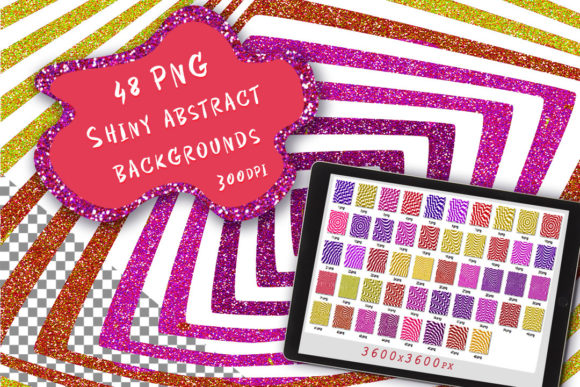
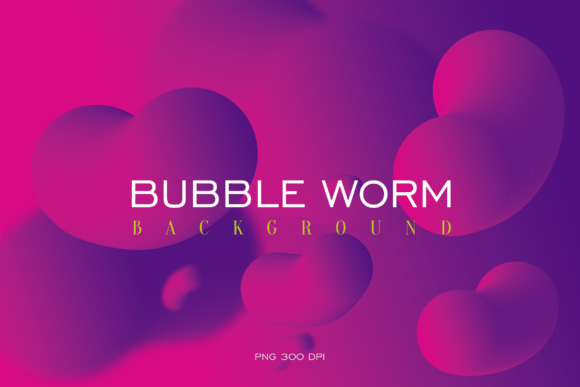
To understand why this set works, we have to look at what it actually offers visually. The "Bubble Worm" aesthetic isn't just a random collection of shapes. It suggests a specific movement—a fluid, organic interplay of forms that feels both modern and timeless. Imagine the visual weight of a serif font applied to texture: it has structure, but it also has character. These backgrounds operate similarly. They provide a sense of depth and dimension that flat colors cannot achieve. The "worm" element implies a continuous, flowing line, while the "bubble" aspect introduces transparency and light. This combination creates a sophisticated layering effect.
For the designer, this translates to versatility. If you are working on web design, a background with this level of detail can ground a layout without overwhelming the typography. If you are a content creator filming a "talking head" video, placing this behind you adds a layer of professionalism that a plain white wall simply cannot match. It reads as intentional. It signals that you care about the production value of your content. The 4800x3200 pixel resolution at 300DPI is particularly important here. It ensures that these aren't just "screen-only" assets. You can blow these up for print design—think large-format posters, event backdrops, or high-end packaging design—without losing the crispness that defines a premium aesthetic.
Strategic Applications for Brand Identity and Marketing
Let’s move past the theoretical and talk about application. How does a background influence brand perception? It acts as the stage for your message. If you are a small business owner in the wellness, beauty, or lifestyle space, the "Bubble Worm" aesthetic aligns perfectly with themes of fluidity, self-care, and modern elegance. Using these backgrounds consistently across your social media graphics creates immediate recognition. When a follower sees that specific blend of organic shapes and elegant tones in their feed, they know it is your content before they even read the caption. That is the power of visual consistency in brand identity.
For entrepreneurs and marketers, the utility extends to digital products. If you are selling an e-book, a course, or a digital download, the cover art and promotional materials need to look valuable. A creative font paired with a dynamic background elevates a PDF from a simple document to a digital product worth paying for. Consider the "Zoom fatigue" of the last few years; a video call background is now part of your personal brand. Swapping out the default office blur for a clean, artistic background suggests you are tech-savvy and aesthetically aware. It is a subtle form of authority building.
Pairing Typography with Textured Backgrounds
One of the most common mistakes I see in editorial design and social media is the clash between complex backgrounds and complex fonts. When you have a background like the Buble Worm Backgrounds, which has its own movement and texture, your typography needs to breathe. You generally want to avoid heavy script fonts or overly intricate handwritten fonts directly on top of the busiest parts of the image. Instead, this is the time to lean into a clean sans serif font or a classic, legible serif font.
The goal is readability. If you are creating a quote graphic for Pinterest, for example, you might place a semi-transparent white box over a portion of the background to ensure your text pops, or you might use the background as a border element. For logo design presentations, these textures work beautifully as a "brand world" backdrop—showing the client how their logo might look in a real-world application, like a website header or a digital ad. The key is to let the background support the message, not fight with it. Modern typography trends favor this balance: bold, simple letterforms against rich, textured backgrounds.
Evaluating Fit and File Utility
When deciding if this asset fits your workflow, consider the file formats provided. The inclusion of both high-quality PNG and JPG files is standard for a reason. PNGs are essential if you need to layer these backgrounds in software like Photoshop or Canva without compression artifacts, especially if you plan to manipulate the colors or overlay other elements. JPGs are your go-to for web uploads where file size matters, such as a website hero image or a blog post header.
For crafters and hobbyists, the 300DPI resolution is a non-negotiable requirement for physical goods. Whether you are printing stickers, planner inserts, or sublimation designs, the Buble Worm Backgrounds provide the technical fidelity required for a professional finish. It is rare to find assets that bridge the gap between digital and print so seamlessly. Often, digital-only assets look pixelated the moment you try to print them. Here, the focus on high-resolution output ensures that your design assets remain versatile across mediums.
Final Thoughts on Asset Selection
Choosing design assets shouldn't feel like a gamble. It should be a strategic decision based on the needs of your project. The Buble Worm Backgrounds offer a specific solution: a blend of organic, elegant visuals that serve as a versatile foundation for a wide range of creative needs. Whether you are refreshing a website, creating a mood board, or designing a product launch, having a library of 10 distinct, high-resolution backgrounds allows you to maintain a fresh, professional aesthetic without reinventing the wheel every time. It is about working smarter, maintaining visual standards, and ensuring your brand always looks its best.