Designing with Light: The Allure of Holographic Rainbow Foil Backgrounds
There’s a particular kind of visual magic that happens when light hits a surface just right, creating a cascade of shifting colors that feels both futuristic and deeply nostalgic. That’s the core appeal of holographic rainbow foil. It’s not just a texture; it’s a mood, a statement, and a versatile tool for any creative professional looking to inject immediate visual energy into their work. As someone who’s integrated these backgrounds into countless projects, I can tell you they are far more than a passing trend. They are a legitimate design asset that, when used thoughtfully, can elevate a brand, stop a scroll, and create a tangible sense of premium quality.
The Visual Language of Holographic Texture
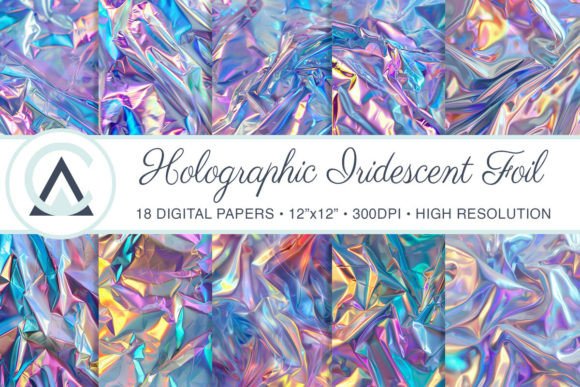
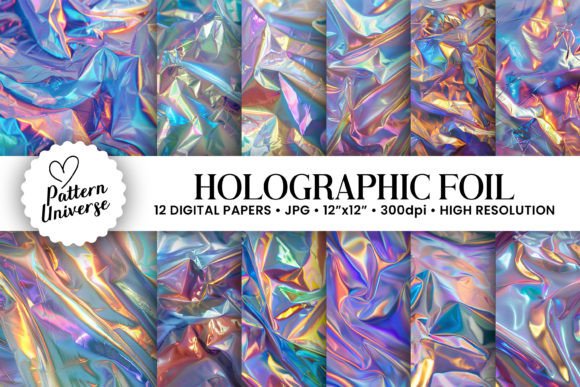
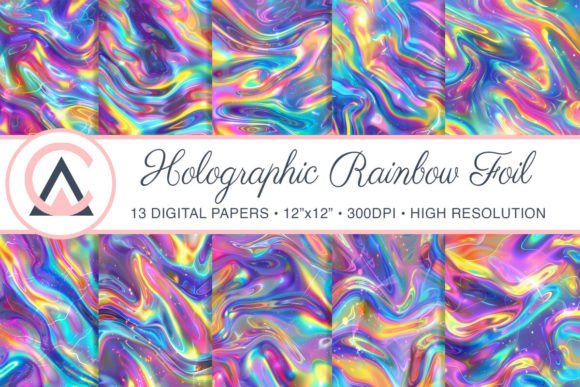
At its heart, a holographic rainbow foil background mimics the iridescent, color-shifting effect of laminated foil. Think of the way a soap bubble or a CD’s surface catches the light, blending colors in a smooth, fluid gradient. The key characteristics are its high-gloss finish, the seamless blend of multiple rainbow hues, and a subtle, metallic sheen that suggests depth. The personality is unapologetically bold, playful, and modern. It communicates innovation, creativity, and a forward-thinking aesthetic. This isn’t a background that whispers; it sings. Its style bridges the gap between digital futurism and tactile, physical craft, making it incredibly adaptable.
For designers, this texture solves a common problem: how to make something feel luxurious and eye-catching without relying on complex illustrations or expensive printing techniques. The inherent visual interest provides an instant focal point. It can serve as the entire canvas for a project or be used as a strategic accent—a header graphic, a border, a logo element—to draw the eye exactly where you want it.
Practical Applications Across the Creative Spectrum
The true strength of these backgrounds lies in their cross-platform utility. Let’s break down where they excel.
Digital and Branding Projects: In the realm of web design and social media graphics, holographic foil backgrounds are engagement engines. A website hero section or a social media profile banner using this texture instantly conveys a brand that is innovative and dynamic. For logo design and brand identity, incorporating a foil element can add a layer of sophistication, especially for brands in tech, beauty, entertainment, or lifestyle sectors aiming for a youthful, trend-aware audience. It’s a fantastic way to create a memorable typeface lockup, where the letters themselves seem to shimmer. As a creative font background, it makes typography pop, whether you’re using a bold sans serif font or an elegant script font.
Print and Physical Products: This is where the digital asset translates into tangible magic. The files provided—high-resolution PNGs and JPEGs at 300 DPI and 12"x12"—are built for print. Imagine these backgrounds on:
- Packaging Design: For cosmetics, tech accessories, or gourmet treats, a foil-textured box or sleeve screams premium.
- Editorial Design & Publishing: Book covers, magazine inserts, or journal covers gain an irresistible, tactile quality that invites touch.
- Marketing Collateral: Business cards, flyers, and posters using a foil accent become keepsakes rather than trash.
- Apparel & Merchandise: T-shirt designs, tote bags, and mugs featuring a holographic element have a high perceived value and are highly shareable.
- Stationery & Crafts: For the crafter and hobbyist, this is a goldmine. Wedding invitations, greeting cards, scrapbook pages, and stickers get an instant upgrade from ordinary to extraordinary. The texture adds depth that flat color cannot match.
Integrating Holographic Foil into Your Design Workflow
Adopting a powerful element like this requires a bit of strategy to avoid visual overload. Here’s practical guidance for seamless integration.
Evaluate Project Fit: First, consider the project’s tone and audience. Holographic foil aligns perfectly with themes of celebration, innovation, creativity, and luxury. It might be less suitable for a corporate law firm’s annual report, but perfect for a tech startup’s product launch. It’s a premium font companion, best paired with clean, professional typefaces to balance its exuberance.
Master Font Pairing and Hierarchy: The background is the star, so your typography needs to be a confident co-star. Strong font pairing is crucial. A heavy, geometric sans serif font creates a modern, impactful contrast. A delicate serif font or handwritten font can create an elegant, whimsical juxtaposition. Always test for readability. Place light-colored text on darker foil sections, or use a semi-transparent overlay to ensure your message isn’t lost in the shimmer. The goal is to use the foil to enhance visual hierarchy, not obliterate it.
Leverage the Included Assets: The provided package offers flexibility. The PNG files with transparent backgrounds are perfect for layering the foil texture behind text or graphics in your design software. The JPEG files work well as full backgrounds. The standard 12"x12" size at 300 DPI is a workhorse format, easily resizable for most print and digital needs without quality loss.
Build Brand Consistency: If you’re using this for a brand, don’t just splash it everywhere. Use it as a consistent accent—a signature element in your social media graphics, a recurring border in your packaging design, or a specific highlight in your logo design. This builds brand recognition through a unique textural element rather than just color or font alone.
In practice, I’ve seen these backgrounds transform a simple PDF lead magnet into a perceived high-value download, make a podcast cover art stand out in a crowded feed, and give a small Etsy seller’s sticker shop a cohesive, professional look that commands higher prices. The key is intentionality. Use holographic rainbow foil backgrounds not as a crutch, but as a strategic tool to inject energy, modernity, and a touch of wonder into your creative projects. They are a direct line to creating work that feels alive and engages the viewer on a sensory level.