Shabby Chic Vines Botanical Backgrounds for Creative Projects
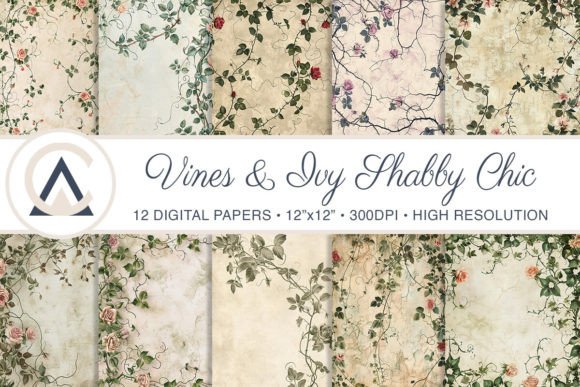
There’s a certain quiet elegance that comes from blending the organic with the lived-in. It’s a design language that speaks of comfort, history, and a touch of romance, and it’s exactly the mood captured by Shabby Chic Vines Botanical Backgrounds. These aren’t just digital papers; they are versatile design assets that provide a foundational texture for countless creative endeavors. Imagine the soft, trailing lines of ivy and botanical vines rendered in a palette that feels both timeless and gently distressed. This combination creates a visual personality that is at once familiar and sophisticated, offering a perfect backdrop for projects that need to feel personal, artisanal, and thoughtfully crafted.
The Visual Personality: More Than Just a Pattern
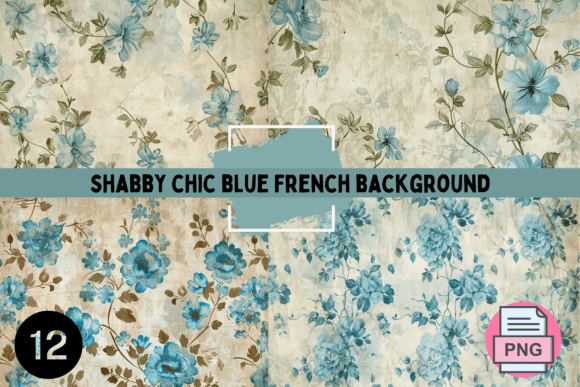
The core appeal of these backgrounds lies in their specific aesthetic. The "shabby chic" element introduces a sense of history and softness. Think of weathered wood, faded florals, and muted color schemes. When applied to the structured yet graceful forms of botanical vines and ivy, the result is a pattern that feels both natural and curated. The visual characteristics often include soft edges, a slightly textured grain, and a color story that leans towards creams, soft greens, dusty pinks, and muted blues. This isn't a loud, contemporary design; it's a style that whispers rather than shouts, making it incredibly adaptable. It possesses a warmth that can make a digital interface feel more approachable or give a printed piece a tangible, handcrafted quality.
This style’s personality is deeply connected to trends in brand identity that value authenticity and storytelling. For a small business owner creating product packaging or a blogger designing website graphics, using Shabby Chic Vines Botanical Backgrounds immediately establishes a specific tone. It suggests a focus on quality, a nod to tradition, and an appreciation for beauty in the imperfect. It’s a style that avoids the cold sterility of some modern minimalism, instead offering a rich, layered foundation that can make other design elements—like typography and photography—truly pop against a complex yet harmonious field.
Practical Applications: From Digital Screens to Physical Products
The true strength of a well-designed digital paper lies in its utility. These botanical backgrounds are engineered for real-world use across a spectrum of mediums. For digital creators, they are a game-changer. A web designer can use a subtly tiled version as a website background to add depth without distracting from content. Social media managers and content creators can use them to create cohesive Instagram story templates, Pinterest pins, or Facebook cover images that stand out in a crowded feed. The patterns are also ideal for designing digital products like planners, journal covers, and e-book interiors, where a touch of elegance enhances the user experience.
In the realm of print and physical craft, the applications are equally broad. The high-resolution 300 DPI and 12"x12" dimensions make them perfect for print-on-demand services. An entrepreneur can design a line of mugs, tote bags, or greeting cards with a consistent, professional look. Scrapbookers and junk journal enthusiasts will find these papers invaluable for creating layered, textured pages. The backgrounds work beautifully for wedding invitations, event signage, and even custom fabric printing for items like throw pillows or tea towels. Because the files are easy to resize and edit, they can be adapted for any project, from a small sticker to a large piece of wall art, ensuring the design remains crisp and clear.
Strategic Integration and Design Considerations
Incorporating these backgrounds effectively requires a thoughtful approach to the broader design. They function as a powerful supporting actor, not always the star. When pairing with typography, consider the background’s visual weight. The intricate botanical lines and soft texture can support a variety of font pairing choices. A clean, modern sans serif font can provide excellent contrast and ensure readability for body text, while a elegant serif font or a flowing script font can complement the romantic aesthetic for headlines and accents. The key is balance; allow the background to set the stage without overwhelming the primary message.
Evaluating project fit is crucial. This style excels in contexts that aim for a vintage, romantic, artisanal, or nature-inspired feel. It might be less suitable for projects requiring a sharp, futuristic, or highly corporate tone. Before committing, test the background with your other core design assets. Place your logo, images, and text over it to assess visual hierarchy and readability. Does the background enhance or compete with your content? For commercial use, always verify the licensing to ensure it covers your intended application, whether for personal crafts or for sale. The included JPEG format offers broad compatibility, making it a practical choice for both seasoned designers using advanced software and hobbyists working with more accessible tools.
Ultimately, Shabby Chic Vines Botanical Backgrounds offer more than just a pretty pattern. They provide a cohesive aesthetic foundation that can elevate a project from simple to significant, helping to build a recognizable and emotionally resonant brand identity or personal creative portfolio. They are a testament to how thoughtful design assets can streamline the creative process while opening up new avenues for expression.