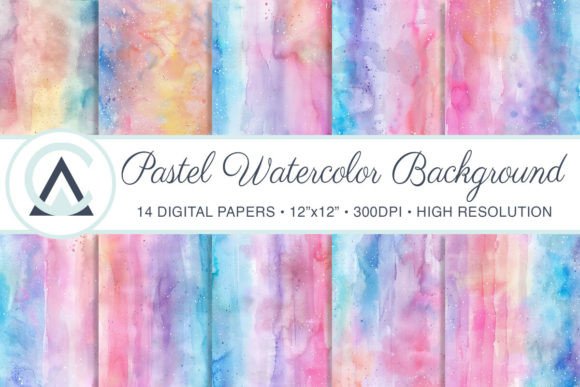
Unleash Creativity with Watercolor Pastel Gradient Backgrounds
There’s a particular quality to a watercolor pastel gradient that instantly softens a design. It’s not just a color palette; it’s a feeling—a gentle wash of color that moves seamlessly from one soft hue to another, evoking calm, creativity, and a touch of elegance. For designers and creators, these backgrounds are more than just pretty pictures; they are versatile foundational assets that can elevate a wide range of projects. A high-quality collection, like the one featuring 14 distinct backgrounds in PNG and JPEG formats at 300 DPI, provides a professional starting point for both digital and physical creations.
The Visual Appeal: Soft, Fluid, and Versatile
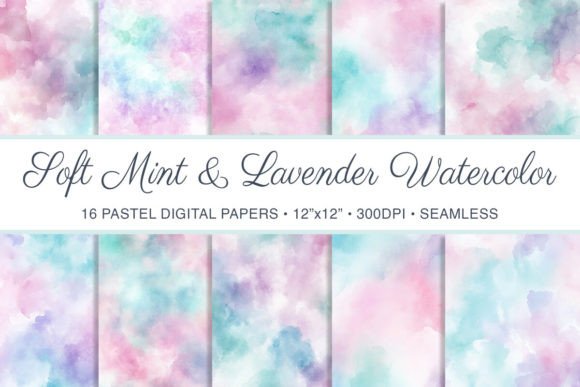
Imagine the delicate bleed of watercolor pigment on wet paper, where colors like blush pink, mint green, lavender, and sky blue don’t clash but flow into one another. That’s the core visual characteristic of these backgrounds. The gradient isn’t a harsh digital blend but one that mimics the organic, slightly textured feel of traditional media. This gives each background a unique personality—it feels handcrafted, artistic, and authentically human. The style is inherently modern yet timeless, avoiding trendy shocks of neon for a more subdued, approachable aesthetic that appeals to a broad audience.
This visual softness makes these backgrounds incredibly adaptable. They don’t compete for attention in a loud way but instead create a harmonious stage for other design elements. Whether you're working on a logo design where the wordmark needs to sit comfortably, or social media graphics where text must remain legible, the gentle gradient provides contrast without visual noise. It’s a style that can feel romantic for wedding invitations, playful for children’s branding, or serene for wellness-focused content, depending on the specific color combination chosen from the collection.
Practical Applications: From Digital Screens to Physical Products
The true value of these watercolor pastel gradient backgrounds lies in their real-world utility. In the realm of brand identity, they can establish an immediate emotional tone. A bakery’s website could use a peach-to-cream gradient to convey warmth and freshness, while a boutique consultancy might opt for a cool blue-to-lilac to suggest trust and creativity. For packaging design, these backgrounds offer a premium, artisanal feel, perfect for product labels, box inserts, or shopping bags that need to stand out on a shelf.
For editorial design and publishing, they serve as beautiful chapter dividers, book covers, or magazine layout elements that add depth without distraction. In the digital space, they are excellent for web design headers, app backgrounds, or email newsletter templates, creating an inviting atmosphere that encourages visitors to stay. The inclusion of both PNG and JPEG files, sized at 12”x12” and 300 DPI, is a practical consideration for creators. The high resolution ensures crisp prints, and the square format is ideal for common project templates, from scrapbook pages to Instagram posts. The ease of resizing and editing with standard software means a designer can quickly adjust the color intensity or crop the background to fit a specific mug wrap or t-shirt design without starting from scratch.
Strategic Use and Design Considerations
When integrating these backgrounds, think about them as a core component of your visual hierarchy. They naturally draw the eye, so pairing them with clean, sans-serif typography often creates a balanced and modern look. A bold, geometric sans-serif font can provide a strong counterpoint to the organic softness of the watercolor. For projects requiring more elegance, a delicate serif font or a clean script can complement the aesthetic beautifully. Testing these font pairings is crucial; the goal is readability and contrast, ensuring your message isn’t lost in the beauty of the background.
Consider the project’s context and audience. For a children’s activity book, a brighter pastel gradient might work best, while a minimalist photographer’s portfolio might call for a more muted, subtle wash. The collection’s variety allows for this kind of tailored selection. Always evaluate the background at the intended size and medium. What looks stunning on a screen might need slight contrast adjustments for print, especially on textured paper stock. This is where the professional 300 DPI files prove their worth, offering flexibility for adjustments without quality loss.
Building a Cohesive Creative Toolkit
Having a library of such design assets is a strategic advantage for any creator or small business. It streamlines the workflow, allowing for the rapid production of cohesive marketing materials, products, and digital content. Imagine launching a new product line and being able to quickly generate matching social media graphics, promotional flyers, thank you cards, and product mockups using the same family of backgrounds. This consistency strengthens brand recognition and presents a polished, professional image to your audience.
Ultimately, watercolor pastel gradient backgrounds are a bridge between digital precision and artistic expression. They provide the color and emotion of a hand-painted piece with the scalability and editability required for modern projects. By understanding their visual strengths and applying them thoughtfully across your creative work, you can add a layer of sophistication, warmth, and visual appeal that resonates deeply with viewers, whether they’re reading a greeting card, browsing a website, or unwrapping a gift.