Abstract Leopard Texture Backgrounds: Bold Design Meets Nature
Finding the right background is often the silent challenge of design. It needs to be compelling enough to set a mood but restrained enough not to overpower your message. Abstract Leopard Texture Backgrounds offer a sophisticated solution, blending the primal energy of animal patterns with the polish of modern digital art. This collection isn't just a set of images; it's a versatile toolkit for creators seeking to inject depth, personality, and a touch of the wild into their work.
More Than a Pattern: The Visual Character of Leopard Textures
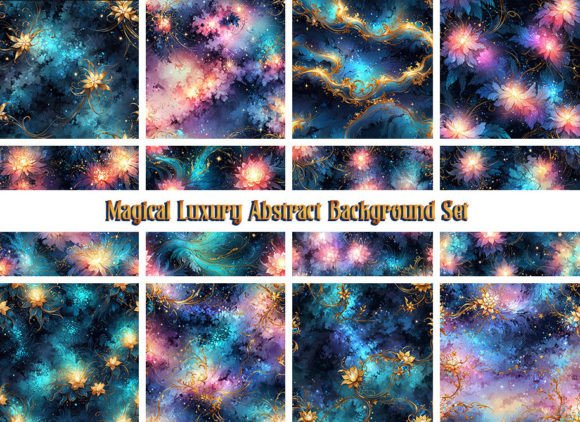
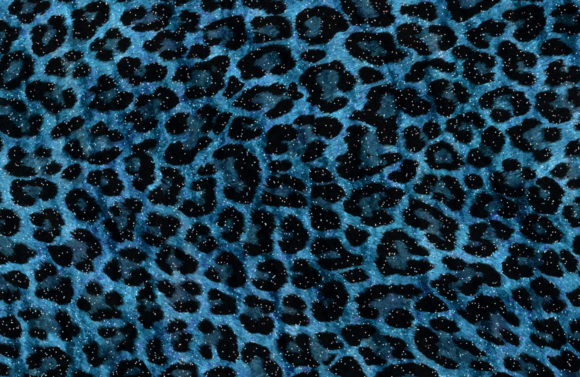
At first glance, these designs evoke the classic leopard spot, but their execution is anything but ordinary. The "abstract" element is key. You won't find photographic realism here. Instead, you encounter digital painted abstract design where rosettes dissolve into watercolor bleeds, or colorful grunge texture layers that give the pattern an edgy, urban feel. The collection includes gradient background variations where spots transition through a spectrum of color, and fractal surface iterations that add a mesmerizing, almost mathematical complexity. This variety allows the texture to shift its personality—from elegant and luxurious to gritty and contemporary—depending on the chosen style. The overall appeal lies in this dynamic range; it’s a beautiful texture illustration that feels both organic and meticulously crafted.
The Five-Color Palette: Strategic Versatility
A standout feature of this pack is the inclusion of 5 different color schemes for each core design. This isn't merely a convenience; it's a strategic asset. Consider a modern background illustration in a muted sage and cream palette. This could be perfect for a wellness brand's packaging design, conveying calm and natural ingredients. The same design in a bold electric blue and black instantly transforms into a dynamic backdrop for a tech startup's web design or social media graphics. Having these pre-curated palettes ensures color harmony and drastically speeds up the design process, allowing you to match the texture to your brand's existing color story or experiment with new directions confidently.
Practical Applications: Where Texture Transforms a Project
The true value of Abstract Leopard Texture Backgrounds is unlocked in application. For brand identity, a subtle, textured version can become a signature element in logo design, adding depth that a flat color cannot. Imagine a logo for a fashion boutique or a creative agency, where the texture behind the wordmark adds a layer of sophistication and intrigue. In editorial design, these backgrounds can be used to frame pull quotes, section headers, or full-bleed chapter openers in magazines or digital publications, breaking the monotony of plain white space and guiding the reader's eye.
For entrepreneurs and small business owners, the applications are immediately practical. Use a light effect texture variant as a background for product photography on an e-commerce site, making items pop. A special painted texture can serve as the canvas for an Instagram story series, creating a consistent and recognizable aesthetic. Content creators and bloggers can use these as website hero backgrounds or in Pinterest graphics to stand out in a crowded feed. The computer-generated texture ensures high resolution and scalability, making it a reliable design asset for both digital and print projects like posters, business cards, or event invitations.
Choosing and Implementing Your Texture
Integrating such a strong visual element requires a thoughtful approach. First, consider your project's hierarchy. The texture should support your content, not compete with it. Using it as a full background works for bold statements, but for text-heavy layouts, consider using it in a sidebar, as a border, or faded to a low opacity behind headlines. Pairing is critical. A complex fractal surface texture pairs best with clean, simple sans serif font or a sturdy serif font for readability. Avoid pairing it with an overly decorative script font or handwritten font, which could create visual chaos.
When evaluating fit, always test. Place your actual content—your logo, your body copy, your product images—over the texture. Check the contrast and ensure legibility. Does the texture's color support or clash with your brand colors? Does its energy match your brand's personality? A premium font or display font used for a headline might demand a more subdued texture, while a straightforward modern typography style could handle a more vibrant background. Remember, the goal is cohesion. The texture should feel like an intentional part of your visual hierarchy, not an afterthought.
Ultimately, Abstract Leopard Texture Backgrounds provide a rare combination of artistic flair and functional flexibility. They are a creative font—not in the typographic sense, but in their role as a foundational design element. By understanding their visual language and applying them with intention, designers, marketers, and creators can leverage these assets to build more engaging, professional, and memorable visual communications that resonate with a wide audience.