Boy on the Farm Backgrounds: Capturing Countryside Charm
There is a distinct, almost magnetic pull toward visuals that evoke genuine simplicity. In a digital landscape often cluttered with sleek gradients and aggressive minimalism, the Boy on the Farm Backgrounds collection offers a breath of fresh air. It isn't just a set of images; it is a carefully curated narrative of rural innocence. For designers, marketers, and content creators, this series represents a shift toward "cottagecore" aesthetics—a celebration of pastoral life that resonates deeply with modern audiences seeking comfort and authenticity.
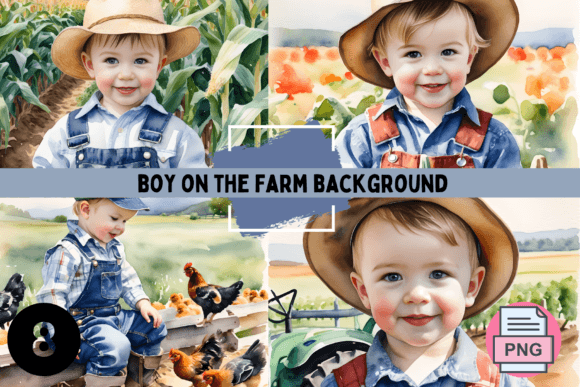
The visual language of this collection is rooted in the "Toddler Farm Boy" persona. The character is depicted not as a stylized cartoon, but with a warmth that feels tangible. You see the texture of denim overalls, the slight scuff on boots, and the genuine concentration on a child's face as he operates a miniature tractor or cradles a heavy pumpkin. These aren't static poses; they are vignettes of life. The background elements—flourishing crops, rustic barn wood, and soft, natural lighting—work in tandem to create a cohesive brand identity that speaks of heritage, growth, and wholesome living.
The Aesthetic Appeal: More Than Just a Graphic
When evaluating design assets, the true value lies in versatility. The Boy on the Farm Backgrounds pack excels because it captures a specific emotion without being overly literal. The color palette tends to favor earth tones—muted greens, warm ochres, and soft sky blues. This makes it an exceptionally creative font choice for visual storytelling. While it is a graphic collection rather than a typeface, it functions similarly to a display font in layout design; it sets the tone immediately.
For brand identity professionals, this collection is a goldmine for projects that require a human touch. Consider the booming market for organic goods, artisanal crafts, or family-focused services. The imagery of a toddler immersed in farm life conveys trust, purity, and tradition. It avoids the sterile perfection of stock photography, offering instead a modern typography of visual storytelling where the "characters" feel lived-in and real. This level of detail is what separates amateur design from professional packaging design.
Strategic Applications for Professionals
Understanding where to deploy these backgrounds is key to maximizing their impact. The versatility of the Boy on the Farm Backgrounds allows them to bridge the gap between digital and physical media.
Editorial and Publishing Design
In editorial design, context is everything. If you are working on a children’s book, a parenting blog header, or a recipe layout for farm-to-table dining, these backgrounds provide the perfect canvas. They pair exceptionally well with handwritten fonts or script fonts. The organic, flowing lines of a script typeface mimic the natural curves of the farm scenes, creating a harmonious font pairing. For example, overlaying a title in a rustic serif font over a background of the boy in the crops creates immediate visual hierarchy, guiding the reader's eye naturally.
Web Design and Digital Marketing
For web design, specifically in the hero section of a landing page, these images can drastically reduce bounce rates by evoking an emotional response. However, readability is paramount. Because the backgrounds are rich in detail, they function best when paired with clean, sans serif fonts for body text. The contrast between the rustic imagery and a modern, clean typeface creates a sophisticated tension that feels professional. This approach ensures that the brand perception remains high-end rather than kitschy.
Social Media and Marketing Campaigns
Social media graphics require immediate impact. The "Toddler Farm Boy" series offers scroll-stopping potential. The image of the boy operating a tractor is dynamic and suggests action, making it ideal for announcements or calls to action. When used in packaging design for products like jams, soaps, or children's clothing, these graphics establish instant recognition. The consistency of the visual style across different scenes ensures that your marketing materials look cohesive, reinforcing professionalism and reliability.
Practical Integration and Licensing
Integrating the Boy on the Farm Backgrounds into your workflow requires a strategic approach to ensure the final output remains polished. Here are practical considerations for designers and business owners:
- Evaluating Project Fit: Before committing, analyze the emotional arc of your project. This collection fits "nurturing," "growth," and "tradition" themes perfectly. It may not suit high-tech, futuristic, or ultra-modern industrial themes.
- Testing Font Pairings: Do not guess. Test your chosen premium font against the backgrounds. A bold, heavy serif font might work for titles, but ensure the finer details of the background don't clash with the font's counters (the enclosed spaces in letters).
- Color Grading: While the collection has its own palette, slight color grading can help match the images to your specific brand colors. Warm up the shadows for a vintage feel or increase contrast for a more modern look.
- Commercial Licensing: Always verify the licensing terms. If you are using these for client work or mass-produced merchandise, ensure the commercial font and asset licenses cover your intended distribution channels.
Enhancing Audience Engagement
Ultimately, the goal of any visual asset is to foster audience engagement. The Boy on the Farm Backgrounds tap into a universal nostalgia for a slower pace of life. In a marketing context, this is invaluable. It allows a brand to step away from the noise and offer a sanctuary of visual calm.
For content creators and bloggers, these backgrounds can serve as a recurring motif that builds a loyal following. When readers associate your content with the comforting, wholesome aesthetic of the farm boy series, they are more likely to return. It transforms a generic blog into a destination. For entrepreneurs, it signals that your business values substance and quality—traits inherent in the imagery of harvesting crops and tending to the land.
By utilizing the Boy on the Farm Backgrounds