Capturing Wabi-Sabi: The Power of Seamless Old Japanese Grunge Backgrounds
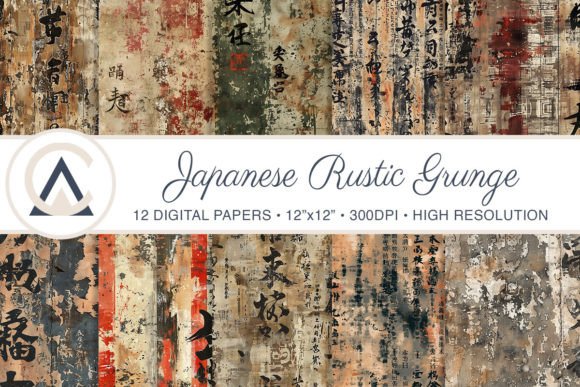
In a digital landscape often dominated by sterile, high-gloss perfection, there is a profound shift toward authenticity. We are seeing a resurgence of textures that tell a story, surfaces that feel lived-in, and designs that embrace the beauty of imperfection. For designers, marketers, and crafters looking to inject soul into their projects, Seamless Old Japanese Grunge Backgrounds offer a unique solution. These aren't just random noise filters; they are carefully curated digital papers that capture the essence of "wabi-sabi"—the Japanese art of finding beauty in impermanence and incompleteness.
The visual personality of these backgrounds is deeply rooted in history. They evoke the feeling of an ancient scroll, a weathered temple wall, or a vintage textile. The texture is complex, featuring subtle ink washes, distressed fibers, and the kind of organic patina that only time can create. However, because they are seamless, they possess a modern utility that traditional scanned textures often lack. They tile perfectly, allowing you to scale them from a small sticker to a massive wall mural without breaking the visual flow. This combination of ancient aesthetics and modern technical precision makes them a powerful design asset for anyone looking to create a brand identity that feels grounded, artistic, and timeless.
Visual Characteristics and The "Grunge" Aesthetic
When we talk about "grunge" in the context of modern typography and design, we aren't talking about messiness for the sake of messiness. In these Seamless Old Japanese Grunge Backgrounds, the grunge element serves as a counterpoint to clean lines. It adds depth and dimension. Visually, you can expect a palette that ranges from aged parchment yellows and oxidized copper greens to deep sumi ink blacks and faded indigo blues. The textures often mimic organic materials—washi paper, silk, or woodblock prints—providing a tactile quality even on a digital screen.
This style appeals to a specific aesthetic sensibility. It is perfect for projects that require a sense of heritage, craftsmanship, or artistic rebellion. Unlike a standard sans serif font paired with a flat white background, using a grunge texture immediately signals to the viewer that the content has depth. It creates an atmosphere. For a graphic designer, this means you can use these backgrounds to evoke nostalgia or to create a sophisticated, moody atmosphere for editorial design and web design. The high resolution (300 DPI) ensures that the grain and distress marks remain crisp, which is vital for premium font presentations and packaging design where quality perception is everything.
Practical Applications: From Screen to Print
The versatility of these digital papers is one of their strongest selling points. Because the files are high-quality JPEGs sized at 12”x12” (3600x3600px), they are ready for professional printing and digital application alike. Here is how different creative professionals can leverage them:
For Branding and Logo Design
If you are building a brand that leans toward the organic, artisanal, or exotic, these textures are invaluable. Imagine a tea shop, a yoga studio, or a boutique bookstore. Using a Seamless Old Japanese Grunge Background behind a serif font or a sophisticated script font for a logo design creates an immediate connection to tradition. It softens the edges of modern marketing, making the brand feel more approachable and human.
For Product Design and Merchandise
The market for physical products is where these backgrounds truly shine. The description mentions using them for mugs, t-shirts, and stickers, and this is where the "seamless" feature is critical. When printing on a curved surface like a mug or wrapping a gift box, you need a pattern that doesn't have visible start or stop points. These backgrounds tile perfectly, allowing for full-bleed printing that looks professional. For scrapbook paper or junk journals, the texture adds a vintage collage element that digital scrapbookers love.
Digital and Editorial Use
In the realm of social media graphics and website headers, attention spans are short. A striking background can stop the scroll. These textures work exceptionally well as overlays. By placing a semi-transparent layer of a Japanese grunge texture over a solid color or a photograph, you can create a cohesive feed for platforms like Instagram or Pinterest. For editorial design, such as magazine layouts or book covers, these backgrounds provide a gritty contrast to clean sans serif fonts, improving visual hierarchy by drawing the eye to the content.
Integrating Texture with Typography
One of the most common challenges designers face is readability. A background is useless if it obscures the message. When working with Seamless Old Japanese Grunge Backgrounds, the key is contrast and hierarchy. Because the texture is "busy" by nature, it pairs best with typefaces that are bold and clear.
Consider using a heavy display font for headlines. The thick strokes of a display type will stand up against the noise of the grunge texture without getting lost. For body text, avoid thin, delicate handwritten fonts or light-weight serif fonts. Instead, opt for a medium-to-bold weight sans serif. You can also use techniques like adding a solid color block or a "knockout" shape behind your text to ensure the words remain legible while the texture frames the content. This approach maintains the aesthetic appeal of the background while respecting the functional requirements of the message.
Selecting and Testing Your Design Assets
When incorporating these backgrounds into your workflow, it is helpful to treat them as a creative font or a core design element rather than an afterthought. Here are a few practical guidelines for choosing and testing these assets:
- Evaluate the Mood: Not all grunge is the same. Some textures are subtle and dusty, while others are aggressive and ink-heavy. Select the specific JPEG from the pack that matches the emotional tone of your project. A subtle texture might suit a wedding invitation, while a heavy texture might suit a rock band poster.
- Test Color Overlays: Don't limit yourself to the original color of the paper. These JPEGs respond beautifully to blending modes in software like Photoshop or Procreate. Try "Multiply" to darken them or "Screen" to lighten them. You can tint the texture to match your brand identity color palette.
- Check the Tiling: Before committing to a large print run (like wallpaper or wrapping paper), test the seamless tiling. Zoom in and ensure the pattern repeats naturally to your eye.
- Commercial Licensing: Always review the license included with the download. For small business owners creating greeting cards or merchandise for sale, ensuring you have the right to use the asset commercially is essential for peace of mind and legal safety.
Ultimately, Seamless Old Japanese Grunge Backgrounds are more than just decoration; they are a storytelling tool. They bridge the gap between the digital and the physical, the modern and the ancient. By thoughtfully integrating these textures into your designs, you can elevate a standard project into something that feels tactile, authentic, and memorable. Whether you are designing a website, printing a t-shirt, or crafting a personal journal, these backgrounds provide a rich canvas for your creativity.