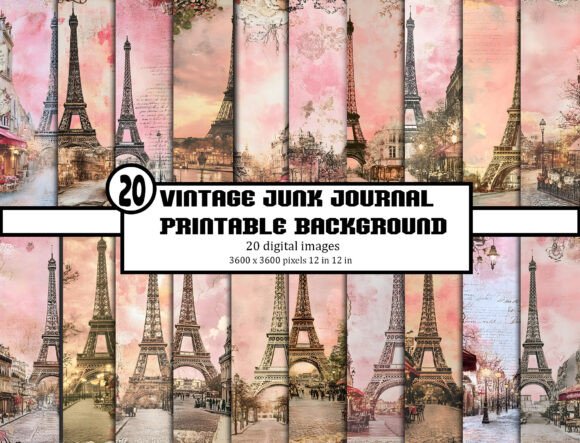
Unearthing Authenticity: The Power of Vintage Junk Journal Backgrounds
In a digital landscape often saturated with sleek, minimalist vectors and hyper-polished gradients, there is a growing hunger for texture, grit, and history. We are seeing a significant shift in visual trends, moving away from sterile perfection toward designs that feel tangible and lived-in. This is exactly where Vintage Junk Journal Backgrounds step in to fill the void. These aren't just digital papers; they are digital artifacts. When you download this collection of twenty unique designs, you aren't just getting stock images; you are acquiring a toolkit for creating emotional resonance. The appeal lies in their imperfection—the subtle grain, the aged patina, and the layering of textures that mimic the passage of time. For designers and creators, these backgrounds offer an immediate shortcut to "authenticity," a quality that is increasingly difficult to manufacture from scratch.
Visual Personality and The "Lived-In" Aesthetic
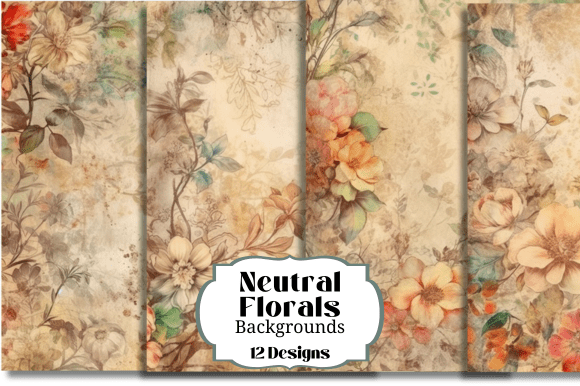
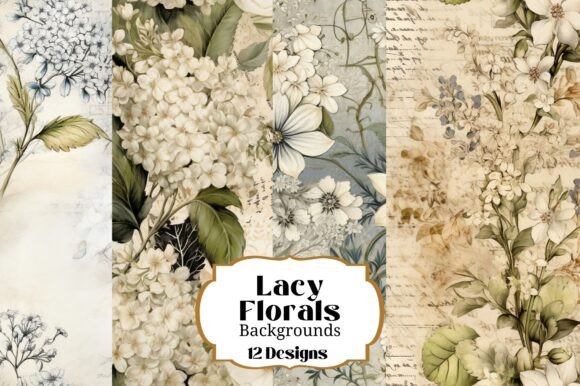
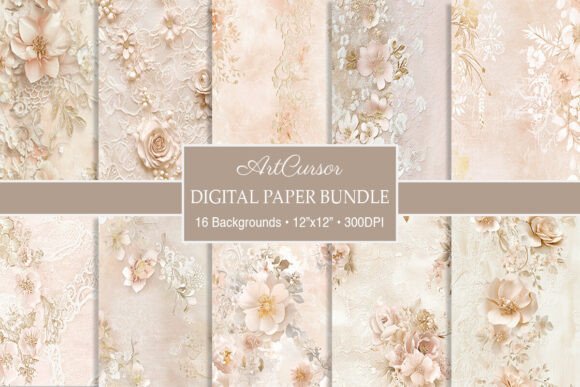
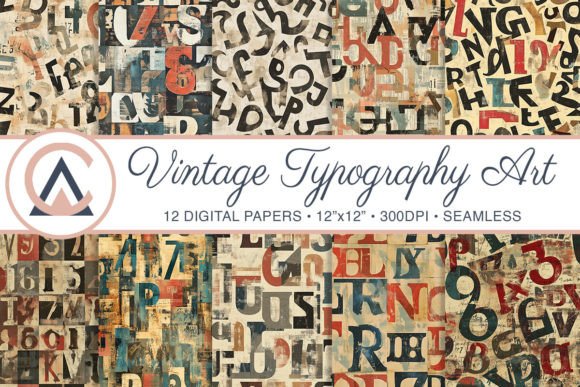
Understanding the visual language of these vintage junk journal backgrounds is key to using them effectively. The style draws heavily from the tradition of junk journaling, a mixed-media art form that repurposes ephemera like receipts, stamps, old book pages, and fabric scraps. Visually, this translates to a rich, tactile experience. You will likely encounter a palette of muted earth tones, sepia washes, and the occasional faded jewel tone that suggests a long life in a dusty attic. The personality of these assets is nostalgic, romantic, and deeply human. Unlike a generic sans serif font background that screams "modern tech," these textures whisper stories. They provide a visual hierarchy that is organic rather than rigid. When you place text or focal images over these backgrounds, the eye naturally navigates the grain and the distress marks, creating a dynamic interplay between the message and the medium. This is the essence of modern typography application—using texture to support the typeface, rather than just sitting behind it.
Strategic Applications: Beyond Scrapbooking
While the name suggests traditional paper crafting, the utility of high-resolution 12x12 inch backgrounds extends far into professional and commercial spheres. For the entrepreneur or brand strategist, these designs are powerful tools for building a distinct brand identity. If you are working with a client in the artisanal food space, a boutique coffee roaster, or a bespoke clothing line, a sterile white background often fails to convey the hand-crafted nature of the product. By incorporating these vintage textures into packaging design or editorial design, you immediately signal quality and heritage.
Consider the impact on social media graphics. In a sea of bright, flat colors, a textured background stops the scroll. It adds depth that flat colors cannot replicate. For bloggers and content creators, these backgrounds can serve as the foundation for quote cards, podcast audiograms, or newsletter headers. The high 300 DPI resolution ensures that these files are not just for screen use; they are fully viable for print. This makes them excellent design assets for:
- Wedding Invitations: Creating a rustic, romantic atmosphere.
- Book Covers: Particularly for historical fiction, memoirs, or poetry collections.
- Web Design: Using them as subtle hero image overlays to add warmth to a landing page.
- Printables: Designing planners, wall art, or educational worksheets with character.
Technical Excellence: Resolution and Composition
A common frustration with digital textures is pixelation upon printing. This collection addresses that pain point directly with its specifications: 12x12 inches at 300 DPI. In practical terms, this means the files are press-ready. You can scale them down for a business card or use them at full size for a poster without losing the crisp details of the grain. The JPEG format is standard for photographic textures, offering a balance of quality and file manageability.
When working with these backgrounds, you are dealing with a "noisy" visual field. This requires a thoughtful approach to typography. If you pair a delicate script font with a heavily textured background, you risk losing legibility. Instead, consider pairing these vintage backgrounds with a bold serif font or a clean, geometric sans serif font. The contrast between the organic background and the structured typeface creates a compelling font pairing that feels both modern and grounded. This is where the background supports the display font, allowing the headline to pop while the texture handles the emotional heavy lifting.
Practical Workflow: Integrating Textures into Your Design System
For the graphic designer or small business owner managing their own assets, organization is crucial. When you download this set of twenty designs, treat them as core components of your visual library. Don't just use them once. Here is a practical approach to maximizing your investment:
- Brand Consistency: Select two or three textures from the set that best match your brand's color palette. Use these consistently across all platforms to create a recognizable "look." This builds brand perception and trust.
- Layering Techniques: Don't just slap a logo on top. In software like Photoshop or Canva, experiment with blending modes. "Multiply" or "Overlay" can make your text look like it was stamped onto the paper, increasing the realism of the design.
- Color Grading: While the vintage aesthetic is beautiful, you can easily color-grade these backgrounds to match specific seasonal campaigns. A sepia texture can be tinted blue for a winter holiday card or green for a spring promotion.
Ultimately, the value of these vintage junk journal printable backgrounds lies in their versatility. They bridge the gap between digital convenience and analog charm. Whether you are a publisher laying out a magazine spread, a marketer designing an email campaign, or a hobbyist creating a family keepsake, these assets provide the foundational layer that turns a flat design into a tactile experience. They remind us that in a high-definition world, there is still immense power in the rough, the aged, and the beautifully imperfect.