Unlocking Creative Potential with Vintage Typography Text Art Backgrounds
In a digital landscape saturated with sleek, minimalist design, there's a powerful counter-movement that values texture, history, and a tangible sense of character. This is where Vintage Typography Text Art Backgrounds find their sweet spot. They aren't just static images; they are curated design assets that carry the weight of aged print, weathered posters, and classic sign painting. For a designer, marketer, or crafter, these backgrounds offer an immediate shortcut to adding depth, nostalgia, and a bespoke artisanal quality to any project.
The Visual Soul of Vintage Typography
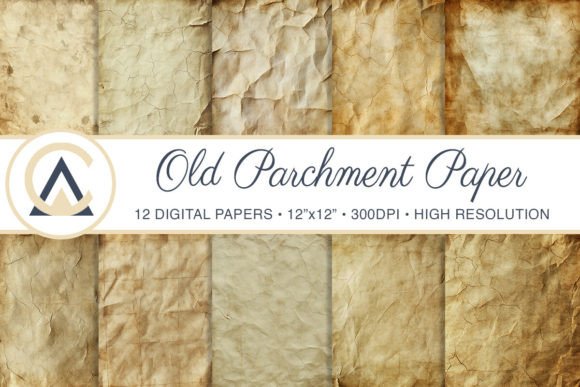
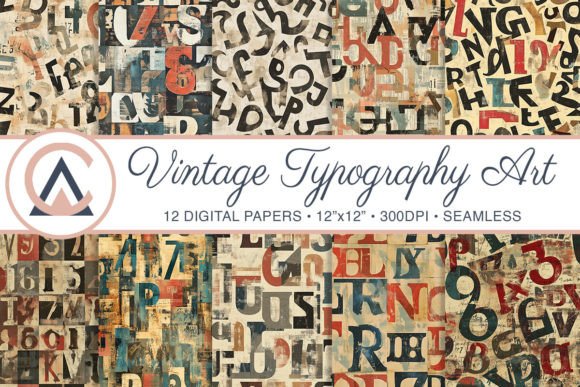
What sets these backgrounds apart is their seamless integration of typographic elements into a textured, rustic aesthetic. Imagine a collage of old book pages, distressed printer's blocks, and faded letterpress impressions, all blended into a cohesive, repeating pattern. The visual style often features a mix of serif and sans serif font fragments, sometimes accompanied by script font flourishes or handwritten font notes. The color palette leans towards muted tones—sepia, cream, charcoal, and oxidized blues—evoking the look of aged paper or faded ink. This isn't clean, modern typography; it's typography with a story, where every imperfection adds to its authentic charm.
The overall appeal is one of approachable sophistication. It feels premium without being pretentious. For a brand, using these backgrounds in marketing materials or social media graphics can instantly communicate values of craftsmanship, tradition, and attention to detail. It suggests a product or service with heritage and soul, which is a powerful differentiator in today's market.
Where This Style Truly Shines: Practical Applications
The versatility of these digital paper backgrounds is one of their greatest strengths. They are not limited to a single niche but can be adapted across a spectrum of creative and commercial projects.
- Brand Identity & Packaging Design: For small businesses, especially those in artisanal food, craft beverages, boutique retail, or handmade goods, these backgrounds can become a cornerstone of the visual identity. Use them as a backdrop for logo design, on product labels, or as the texture for business cards and packaging sleeves. They help build a cohesive brand story that feels grounded and authentic.
- Editorial & Publishing: In the realm of editorial design, they serve as stunning backgrounds for magazine covers, chapter openers, or pull quotes in books and journals. For bloggers and content creators, they make exceptional website headers or featured images that stop the scroll. The texture adds visual interest without overwhelming the primary content.
- Physical Products & Crafts: This is where the tangible magic happens. These 12"x12" 300 DPI files are print-ready. They are perfect for creating custom scrapbook paper, greeting cards, invitations with a rustic-chic vibe, or junk journal ephemera. Entrepreneurs can print them directly onto products like mugs, tote bags, t-shirts, and wall art to create a unique product line with a distinct vintage flair.
- Digital Marketing & Social Media: Cut through the noise of generic stock imagery. Use these backgrounds as a base for Instagram story templates, Facebook ad graphics, or Pinterest pins. They provide a rich, engaging canvas that makes overlaid text and visuals pop, improving audience engagement and recall.
Strategic Guidance for Effective Use
Integrating a strong stylistic element like a vintage typography background requires a thoughtful approach to ensure it enhances rather than hinders your project. Here’s how to leverage it effectively.
Evaluating Project Fit and Readability
First, assess the background's complexity against your content. A densely textured background with prominent text fragments can compete with your main message. For projects where clarity is paramount—like a website's main body text or a detailed product description—use these backgrounds sparingly. They excel as hero images, headers, sidebars, or section dividers, not as the primary canvas for large blocks of reading text. Always test the readability of your chosen serif font or sans serif font against the background. You may need to add a subtle overlay, a text shadow, or place your text within a solid-colored box to ensure legibility.
Mastering Font Pairings and Hierarchy
The background itself is a complex typographic layer. To maintain a clean visual hierarchy, pair it with simpler, cleaner typefaces. A bold, geometric sans serif font can provide a striking contrast to the organic, detailed background. Alternatively, a clean, modern script font can complement the vintage feel without adding clutter. The goal is to create a dialogue between the background's texture and your primary text, ensuring your message remains the focal point. Use the background's implied scale to guide your own typographic choices.
Understanding the Asset Package
A professional set of Vintage Typography Text Art Backgrounds should provide flexibility. The inclusion of both PNG and JPEG files is crucial—PNGs for projects requiring transparency, and JPEGs for straightforward print and web use where file size is a consideration. The seamless nature means they can be tiled to cover any surface without visible joins, a critical feature for large-scale applications like website backgrounds or printed fabric. The high resolution (300 DPI) ensures they are viable for commercial printing without pixelation.
Commercial Use and Licensing
Before using these assets for commercial projects, always verify the licensing terms. A reputable provider will clearly state that the digital papers are licensed for both personal and commercial use. This is essential for entrepreneurs and businesses planning to sell products featuring these designs. Understanding the license protects your business and ensures you are using the asset ethically.
Ultimately, Vintage Typography Text Art Backgrounds are more than just decorative elements. They are a strategic tool for storytelling. They allow designers, marketers, and creators to imbue their work with a sense of history, craftsmanship, and timeless style that resonates deeply with audiences seeking authenticity in a digital world. By thoughtfully integrating them into your projects, you can elevate your visual communication and build a more memorable, cohesive brand presence.