Old Vintage Parchment Paper Backgrounds: Your Creative Toolkit
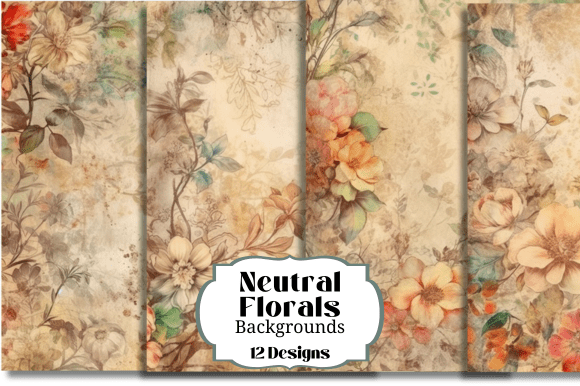
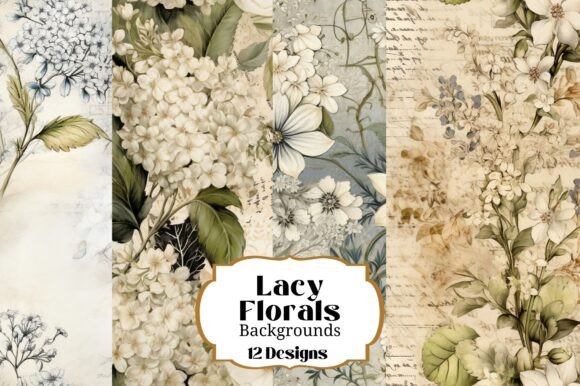
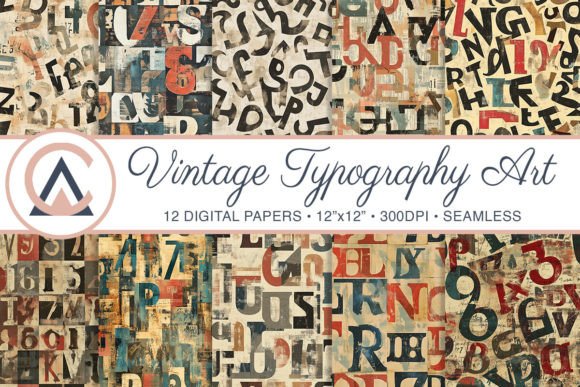
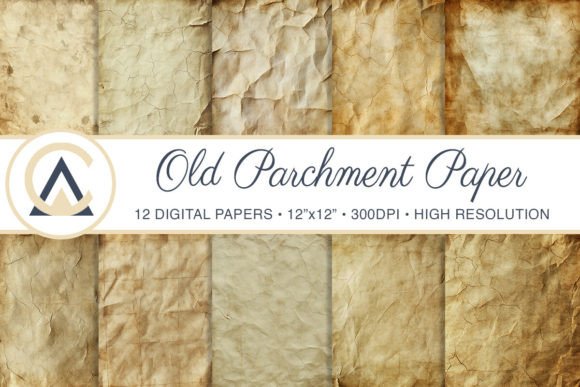
There's a certain magic to old documents. The worn edges, the faint stains of time, the subtle variations in color that speak of a history you can almost feel. That's the exact feeling captured in this collection of Old Vintage Parchment Paper Backgrounds. These aren't just flat, digital textures. They're high-resolution, meticulously crafted design assets built to bring an instant layer of authenticity and story to your projects. Think of them as a foundation—a starting point that already has a personality, ready for you to build upon.
More Than Just a Texture: The Personality of Aged Paper
What makes these backgrounds work so well? It's their nuanced visual character. You'll find a range of tones, from warm, yellowed creams to cooler, muted sepia. The aging effects are subtle: soft creases, faint foxing (those little brown spots), gentle vignetting around the edges, and variations in the "ink" absorption that mimic real paper. This isn't a sterile, perfect digital look. It's a premium font of texture, if you will—a typeface for your background that whispers of history, craftsmanship, and permanence.
This visual style has a direct impact on perception. Using one of these Old Vintage Parchment Paper Backgrounds immediately sets a tone. It suggests tradition, reliability, and a handcrafted quality. For a brand, it can communicate heritage, artisanal care, or a connection to the past. For a personal project like a scrapbook paper or a junk journal, it adds depth and a tactile feel that invites the viewer to look closer.
Where This Background Truly Shines: Practical Applications
The real value of these digital papers is their incredible versatility. Because they come in high-resolution PNG and JPEG formats (300 DPI, 12"x12"), they're built for both digital and physical use. Let's break down where they become indispensable.
Digital & Branding Projects
- Website Design & Social Media Graphics: A subtle parchment background can frame a website header or a social media post, adding warmth without overwhelming your sans serif font or script font typography. It works beautifully for lifestyle brands, bakeries, history blogs, or any service wanting to feel approachable and established.
- Logo Design & Brand Identity: Imagine a logo for a coffee roaster or a boutique law firm placed over a textured, aged background. It instantly tells a story of quality and tradition, helping to build a memorable brand identity.
- Editorial Design & Packaging: Use it as a background for a magazine feature, a book cover mockup, or product packaging for artisanal goods. It elevates the entire packaging design, making it feel more premium and considered.
Print & Physical Crafts
This is where these backgrounds transition from digital asset to tangible object. The 300 DPI resolution ensures crisp printing on a variety of products:
- Invitations & Greeting Cards: Create wedding invitations, vintage-themed party invites, or holiday cards with an elegant, timeless feel.
- Wall Art & Signs: Print a background and overlay a favorite quote using a complementary serif font or handwritten font for instant, professional-looking wall decor.
- Stickers, Mugs & T-Shirts: The texture adds interest to merchandise. A quote or simple graphic on a parchment background printed on a mug or tee looks curated, not generic.
- Scrapbooks, Journals & Book Covers: These are perfect for digital scrapbooking or as printed covers for homemade journals, adding a cohesive vintage aesthetic to your personal projects.
Making It Work: Guidance for Designers and Creators
Having a great asset is one thing; using it effectively is another. Here’s some practical advice for integrating these backgrounds into your workflow.
Choosing the Right Background: Don't just pick one at random. Consider the mood of your project. Is it a formal document? A warmer, cream-toned parchment might work best. Is it for a rugged, adventure-themed design? Look for one with more pronounced aging and darker edges. Test a few options directly with your project's main colors and typography.
Font Pairing is Critical: The background is your stage; your typography is the actor. Pair it wisely. A clean, modern sans serif font can create a beautiful contrast, keeping the design fresh and readable. A classic serif font reinforces the traditional feel. A script font or handwritten font can add a personal, elegant touch, but ensure it remains legible at small sizes. Always test your font pairing on the actual background to check for readability and visual harmony.
Readability and Hierarchy: Because the background has texture, you need to ensure your text stands out. Use sufficient contrast. Sometimes, a very subtle drop shadow or a semi-transparent overlay box behind text can help without ruining the aesthetic. The goal is for the background to support your message, not compete with it.
Editing and Customization: These files are easy to resize and edit. In most design software, you can adjust the hue/saturation to make the background warmer or cooler, increase or decrease the contrast, or even layer multiple textures for a unique effect. This flexibility makes them a powerful part of your design assets library.
Ultimately, Old Vintage Parchment Paper Backgrounds are about adding a layer of meaning. They provide a sense of place and history that a plain white or solid color cannot. For the designer, marketer, or crafter, they are a shortcut to creating work that feels intentional, sophisticated, and rich with narrative potential. They are a tool for telling better visual stories.