Stripe Pattern Backgrounds: Essential Design Assets
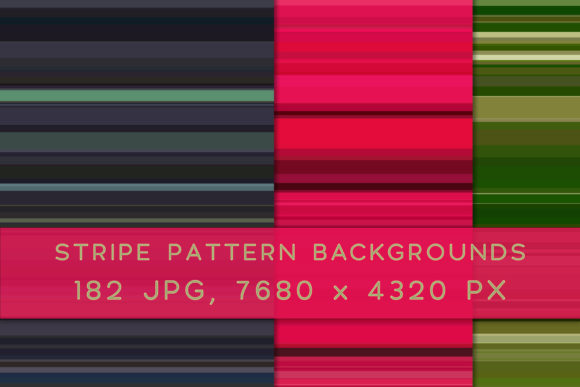
In the world of visual design, texture often speaks louder than complex imagery. While typography and layout form the backbone of a project, the surface upon which they sit determines the mood and professionalism of the final product. Stripe Pattern Backgrounds represent a fundamental shift in how creators approach texture. This is not merely a collection of lines; it is a comprehensive library of 182 high-quality JPG files designed to bring rhythm, order, and energy to a wide variety of projects. With specifications of 7680 x 4320 pixels at 300 DPI, these assets bridge the gap between digital precision and print-ready reliability.
The Versatility of Horizontal Stripes
Stripes are one of the oldest and most effective design motifs in existence. They convey stability, direction, and modernity. The Stripe Pattern Backgrounds collection focuses specifically on horizontal orientations, which naturally guide the eye from left to right. This makes them incredibly effective for web design, where reading patterns are crucial, and for packaging design, where shelf appeal is paramount. Unlike static textures, these patterns offer a seamless flow. When you apply them to a digital album or a set of wedding invitations, the lack of visible seams ensures a professional finish that feels intentional rather than accidental.
The visual personality of this collection is one of clean organization. Whether you are working on a minimalist blog design or a bold birthday party flyer, the stripes provide a structured backdrop that allows foreground elements to pop. For graphic designers and brand strategists, consistency is key. Using Stripe Pattern Backgrounds across a client’s social media graphics, website headers, and print collateral creates a unified brand identity. The horizontal lines act as a visual anchor, ensuring that even when content changes, the underlying aesthetic remains cohesive. This consistency builds trust with the audience, signaling that a brand is established and detail-oriented.
Practical Applications for Creators and Entrepreneurs
For small business owners and content creators, time is a valuable commodity. Having a ready-to-use library of design assets eliminates the need to create textures from scratch. Imagine a publisher preparing a book cover. A subtle stripe pattern can add depth without overwhelming the title typography. In the realm of modern typography, contrast is essential. A bold serif font or a flowing script font will stand out significantly better against a textured stripe background than a flat, solid color. This is because the texture adds dimension, making the text appear more tangible.
The utility of Stripe Pattern Backgrounds extends well beyond digital screens. Because the files are provided at 300 DPI with massive dimensions (7680 x 4320 pixels), they are perfectly suited for high-resolution printing. This is a critical factor for crafters and stationery designers. You can confidently use these files for:
- Scrapbooking and Digital Albums: Creating layers and visual interest behind photos.
- Packaging Design: Wrapping papers and box designs that require a repeating texture.
- Business Cards: Adding a sophisticated background texture that enhances readability.
- Invitations and Place Cards: Setting the tone for weddings or formal events with elegant, rhythmic lines.
When selecting a background, it is easy to overlook the impact of color and line weight. However, the psychology of design plays a heavy role in audience engagement. Thin, pastel stripes might evoke a sense of calm and elegance, suitable for a wellness blog or a boutique invitation. Conversely, thick, high-contrast stripes can inject energy and urgency, making them ideal for a sale banner or a birthday project. The diversity within this collection of 182 files ensures that you are not locked into a single aesthetic. You have the flexibility to experiment with different "personalities" of stripes to match the specific mood of your project.
Integrating Stripes with Modern Typography
A common challenge in graphic design is ensuring that text remains legible when placed over a patterned background. Stripe Pattern Backgrounds are particularly forgiving in this regard. Unlike chaotic textures or photographic backgrounds, stripes offer a predictable visual rhythm. To maintain readability, designers should consider using a semi-transparent overlay or placing text within a solid container (like a white box or banner) that sits on top of the stripes. This technique, often used in editorial design and web design, allows the texture to frame the content without competing with it.
Furthermore, the choice of typeface becomes even more critical when paired with a striped background. A heavy, bold display font often pairs well with thin, subtle stripes, creating a hierarchy where the text dominates the visual field. Conversely, a delicate sans serif font might get lost against a busy pattern. In such cases, adding a stroke or a drop shadow can help separate the text from the background noise. Think of the background as the stage and the typography as the actor; they must work in harmony to deliver the message effectively. For logo design, incorporating a stripe element can add a dynamic quality, but it must be balanced carefully to avoid visual clutter.
Evaluating Fit and Licensing
Before integrating any design asset into a commercial workflow, it is vital to understand the licensing and technical fit. Since these are premium design assets, they offer a level of quality that free resources often lack. The high resolution ensures that your work will not pixelate when printed on large formats, such as posters or banners. For entrepreneurs scaling their operations, using high-quality assets protects the brand’s reputation. A blurry or pixelated background on a product packaging can subconsciously signal low quality to a potential customer, regardless of the actual product value.
When evaluating the fit of Stripe Pattern Backgrounds for your specific needs, consider the "negative space" of your design. If your layout is text-heavy, a denser stripe pattern might be too stimulating. In that scenario, a lighter, more spaced-out stripe would provide texture without causing eye strain. It is also helpful to test how the background interacts with your specific brand colors. Because the collection contains 182 variations, you have a broad spectrum of options to test against your existing color palette. This allows for a tailored approach to design, ensuring that the final output feels bespoke rather than generic.
Ultimately, the goal of any creative project is to communicate a message clearly and beautifully. Stripe Pattern Backgrounds serve as a versatile tool in the designer's toolkit, capable of transforming a flat layout into a polished, professional piece. Whether you are a hobbyist creating a scrapbook for a family member or a marketing professional designing a campaign for a global brand, the right texture makes all the difference. By leveraging the high resolution, seamless nature, and variety of this collection, you can elevate your visual storytelling and ensure your projects stand out in a crowded digital landscape.