Warmth Meets Royalty: Mastering Brown, Yellow, and Purple Backgrounds
There is a distinct challenge in the design world when it comes to selecting the right foundation for a project. We often spend hours tweaking kerning, adjusting logo design elements, or perfecting copy, only to settle for a generic white or grey background that fails to connect with the audience. This is where the strategic use of color theory comes into play. Specifically, the combination of earth tones with jewel tones—represented here by Brown, Yellow, and Purple Watercolor Digital Papers—offers a sophisticated solution for creators looking to add depth and emotion to their work. This palette bridges the gap between the organic warmth of nature and the regal authority of luxury branding.
The Psychology of the Palette: Why This Combination Works
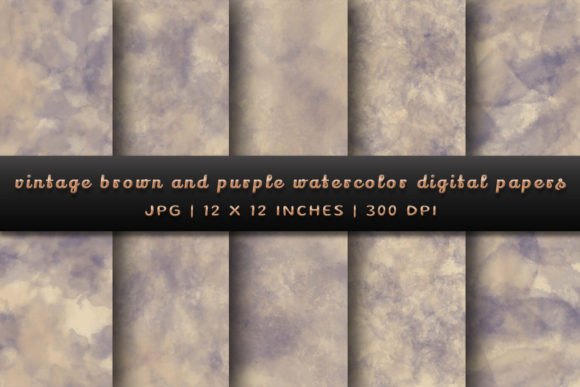
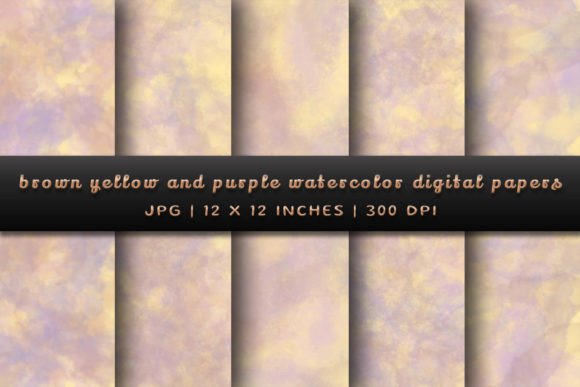
When we look at Brown Yellow and Purple Backgrounds, we are seeing a masterclass in complementary color dynamics. Brown serves as the anchor. In design terms, it represents stability, reliability, and a connection to the earth. It is the visual equivalent of a solid foundation, making it an excellent backdrop for text-heavy layouts where readability is paramount. However, brown alone can sometimes feel flat or overly utilitarian.
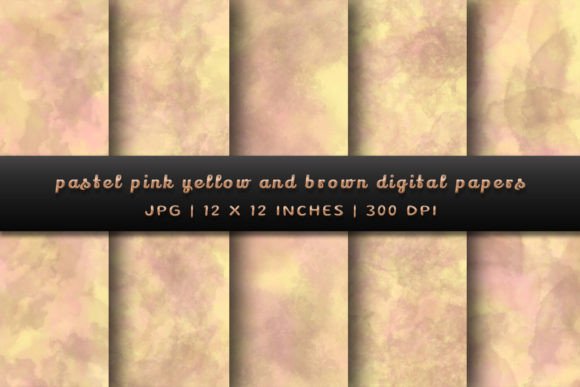
This is where Yellow enters the conversation. Yellow brings optimism, energy, and a focal point of light. In a watercolor format, yellow often acts as a highlight, mimicking the way sunlight hits a textured surface. It prevents the brown from feeling too heavy and draws the eye naturally across the page.
Finally, Purple introduces the element of royalty, mystery, and luxury. Historically, purple dye was expensive and rare, which is why it is subconsciously associated with premium quality. When you combine these three hues in a watercolor style, you get a background that feels organic yet expensive. The watercolor texture softens the edges of modern typography, allowing even sharp, sans serif font pairings to feel approachable. This versatility makes these digital papers ideal for everything from high-end wedding invitations to gritty, vintage-style packaging design.
Practical Applications for Creative Professionals
Understanding the visual appeal is one thing; applying it effectively is another. The Brown Yellow and Purple Backgrounds collection is designed specifically for sublimation and high-resolution printing, but its utility extends far beyond simple scrapbooking. Here is how different professionals can leverage these assets:
- For Brand Identity and Marketing: Entrepreneurs and small business owners can use these backgrounds to create a consistent brand identity that stands out on social media. A watercolor purple and yellow gradient is perfect for an Instagram story background or a Facebook cover photo. It provides enough contrast to make white text pop without the harshness of a solid neon color. If your brand deals in artisanal goods, wellness, or creative services, these backgrounds communicate quality instantly.
- For Editorial and Web Design: In the realm of web design, full-screen background images can sometimes slow down load times or distract from content. However, using these papers as subtle header backgrounds or sidebar accents adds a layer of sophistication. They work exceptionally well for lifestyle blogs or digital magazines looking to break the "sterile" look of standard grid layouts.
- For Print and Packaging: The 300 DPI resolution ensures that these files are not just for screens. If you are designing product packaging, such as labels for coffee, candles, or artisanal soaps, the watercolor texture mimics hand-painted artwork. The brown tones ground the product, suggesting natural ingredients, while the purple hints at a premium experience.
Integrating Backgrounds with Typography and Layout
A common mistake with textured backgrounds is treating them as an afterthought. To truly make your projects stand out, you must consider how your typography interacts with the watercolor washes. The visual hierarchy is crucial here.
When working with the Brown Yellow and Purple Backgrounds, consider the "noise" level of the watercolor texture. In areas where the color is dense or heavily textured, avoid placing small body text. Instead, use these areas for large display font headers or full-bleed imagery. Conversely, the lighter, more washed-out areas of the paper are perfect for paragraphs.
Font pairing is also vital. Because these backgrounds are organic and artistic, they pair beautifully with clean, geometric sans serif fonts for a modern contrast. Think of a bold Helvetica or Montserrat header in crisp white against a deep purple watercolor swirl. Alternatively, for a more romantic or vintage feel, a serif font with high contrast (like Didot or Bodoni) can look stunning against the yellow and brown tones.
Furthermore, do not underestimate the power of negative space. You do not need to cover the entire canvas with the background. Sometimes, a strip of the watercolor paper running down the side of a menu or the bottom of a flyer can frame your content, guiding the reader's eye exactly where you want it to go.
Technical Specifications and Workflow Efficiency
For the busy designer or content creator, efficiency is just as important as aesthetics. The Brown Yellow and Purple Backgrounds set is formatted at 12x12 inches and 300 DPI. This is the industry standard for high-quality print production, ensuring that your designs remain crisp and free of pixelation, even when printed on large formats.
The files are delivered as High Quality JPGs within a compressed ZIP folder. This is a practical choice for workflow. JPGs are universally compatible with almost every design software, from Adobe Photoshop and Illustrator to Canva and Procreate. You do not need specialized plugins or complex extraction software; simply unzip the folder, drag the files into your project, and you are ready to design.
This accessibility is key for sublimation artists. Sublimation requires high-contrast, vibrant images to transfer correctly onto substrates like mugs, t-shirts, or coasters. The color profile of these digital papers is optimized to retain vibrancy during the heat transfer process. The yellow will remain bright, and the purple will stay deep, rather than washing out into a muddy grey.
Evaluating Fit and Commercial Use
Before finalizing your design, it is always wise to step back and evaluate the fit. Ask yourself: Does this background support my message, or does it compete with it? If you are designing a flyer for a corporate law firm, the whimsical nature of watercolor might not be the right fit. However, if you are designing a workshop invitation for a creative agency or a menu for a brunch cafe, the Brown Yellow and Purple Backgrounds are an ideal match.
When using these assets for commercial projects, always review the licensing terms to ensure they cover your specific use case, whether it is for print-on-demand products or client work. Because these are digital assets, they offer infinite scalability in terms of usage—you can use the same paper for a business card, a poster, and a website header, ensuring brand consistency across all touchpoints.
Ultimately, design is about evoking a feeling. By incorporating these watercolor backgrounds, you are moving away from sterile, generic templates and embracing a handcrafted aesthetic. You are telling your audience that you care about the details, that you value beauty, and that your brand has personality. Whether you are a scrapbooker preserving memories or a marketer building a brand, these backgrounds provide the perfect canvas for creativity.