Why Magenta and Khaki Watercolor Backgrounds Resonate
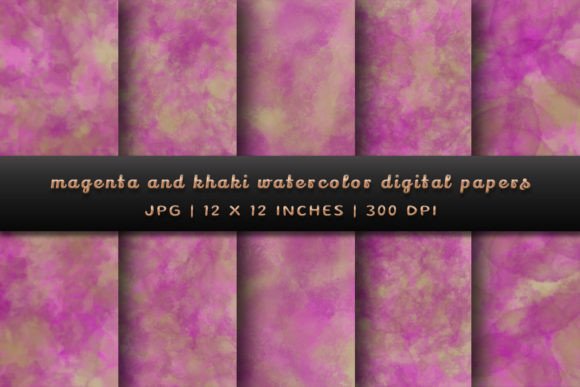
There’s a certain tension in pairing a bold, vibrant hue with something more subdued and earthy. It’s not a clash, but a conversation. This is the core appeal of Magenta and Khaki Watercolor Backgrounds. You’re not just getting a set of digital papers; you’re acquiring a visual language. The magenta brings energy, confidence, and a touch of modern romance, while the khaki grounds it with stability, organic texture, and a sense of calm. The watercolor effect softens everything, adding a handcrafted, imperfect quality that feels authentic and inviting. This isn't a sterile digital pattern. It has personality, movement, and a subtle complexity that makes it stand apart from flat color fills or overly polished gradients.
A Practical Guide for Your Creative Toolkit
Think of these design assets as a versatile foundation, not just a decorative element. Their strength lies in their adaptability across different project types and professional needs. For a brand identity, they can be a game-changer. Imagine using a soft khaki wash as the background for a website hero section, with magenta accents in the call-to-action buttons and typography. It immediately communicates a brand that is both creative and grounded, passionate yet reliable. For packaging design, especially for artisanal goods, cosmetics, or boutique stationery, these textures add a layer of perceived quality and care. The watercolor effect suggests something made by hand, which can be a powerful differentiator.
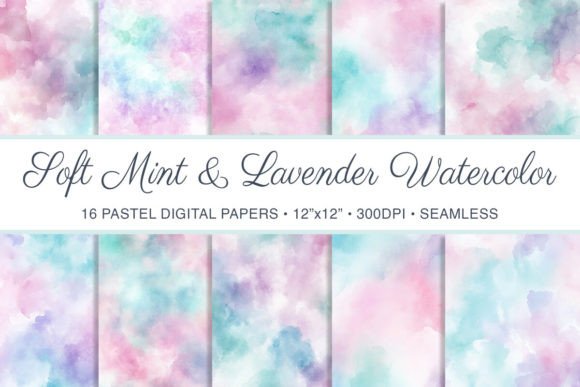
In editorial design and publishing, the applications are equally rich. A blogger or publisher can use these backgrounds for quote graphics, chapter title pages in an e-book, or social media story templates. The high-resolution 12x12 inch, 300 DPI specifications mean they hold up beautifully in print. Think wedding invitations, greeting cards, or scrapbooking layouts. The Magenta and Khaki Watercolor Digital Papers provide a ready-made mood board that simplifies the design process. Instead of starting from a blank canvas, you start with a curated aesthetic, which can be a huge time-saver for entrepreneurs and content creators juggling multiple roles.
Integrating Texture into Your Design Workflow
How do you actually use these without overwhelming your project? The key is to treat them as a supporting actor, not the lead. A full-page, saturated watercolor background can be intense. Instead, use it strategically. Try it as a header or footer strip. Use it as a textured frame around a central image or text block. In web design, a very light, desaturated version can work as a subtle background pattern that adds depth without distracting from readability. For social media graphics, a bold magenta corner accent can make a post instantly recognizable in a crowded feed.
When it comes to typography, pairing is crucial. The organic, fluid nature of these backgrounds calls for typefaces that can complement, not compete. A clean, geometric sans serif font provides excellent contrast and keeps things modern and readable. For a more traditional or elegant feel, a classic serif font can work, especially in a lighter weight. Avoid overly decorative script fonts or handwritten fonts for body text, as the combined texture of the background and the letterforms can reduce clarity. Use such creative fonts sparingly for headlines or logos where impact is the goal. This is where understanding visual hierarchy becomes practical: let the background set the tone, and let your typography deliver the message with clarity.
From Concept to Final File: Making the Most of Your Download
You’ll receive a ZIP file containing five distinct Magenta and Khaki Watercolor Backgrounds. Each JPG is a high-quality, premium font-companion asset, ready for immediate use in most design software. Before you dive in, take a moment to evaluate each file. Notice the differences in wash intensity, color balance, and texture. One might have a dominant khaki base with magenta blooms, while another could feature a more balanced blend. This variety allows you to choose the right mood for each specific application.
A critical step is to always check the licensing. For personal projects like a family scrapbook, the terms are straightforward. If you’re a small business owner creating a product label or a designer working on a client’s logo design or marketing materials, ensure the license permits commercial use. This is non-negotiable for professional work. The files are JPGs, which are universally compatible, but remember they are raster images. This means they are perfect for projects with a fixed final size, like a printed poster or a digital graphic. If you’re scaling them for very large formats, be mindful of pixelation, though the 300 DPI resolution provides a solid buffer for most standard print jobs.
Ultimately, the value of the Magenta and Khaki Watercolor Digital Papers lies in their ability to inject warmth, texture, and a distinct personality into your work. They bridge the gap between the digital and the handmade, offering a solution for anyone looking to create designs that feel both polished and personal. Whether you’re building a brand identity, crafting a publication, or simply elevating a personal project, these backgrounds provide a strong, versatile starting point that can save you time and inspire new creative directions.